

September 7, 2023
AC to DC Converter: The Backbone of Power Electronics

Alternating current is a form of electrical energy where the electric current and voltage oscillate in a sinusoidal or sometimes non-sinusoidal waveform. This is different from DC, where the electrical energy flows in one direction.
George Westinghouse was an early adopter and proponent of alternating current. He championed the concept of using AC electricity over DC because AC voltages can be transformed easily, making it more adaptable for long-distance transmission.
The process of converting AC to DC often begins with a transformer. Transformers are critical in modifying the voltage levels. For instance, a 12V AC supply can be stepped down to a 5V AC supply using a transformer.

Once the transformer adjusts the AC voltage, a rectifier takes over to convert this AC into DC. The most commonly used type of rectifier is the bridge rectifier. This device uses four or more diodes arranged in a specific manner to ensure that the electrical energy flows in one direction, converting the alternating current into a form of direct current.
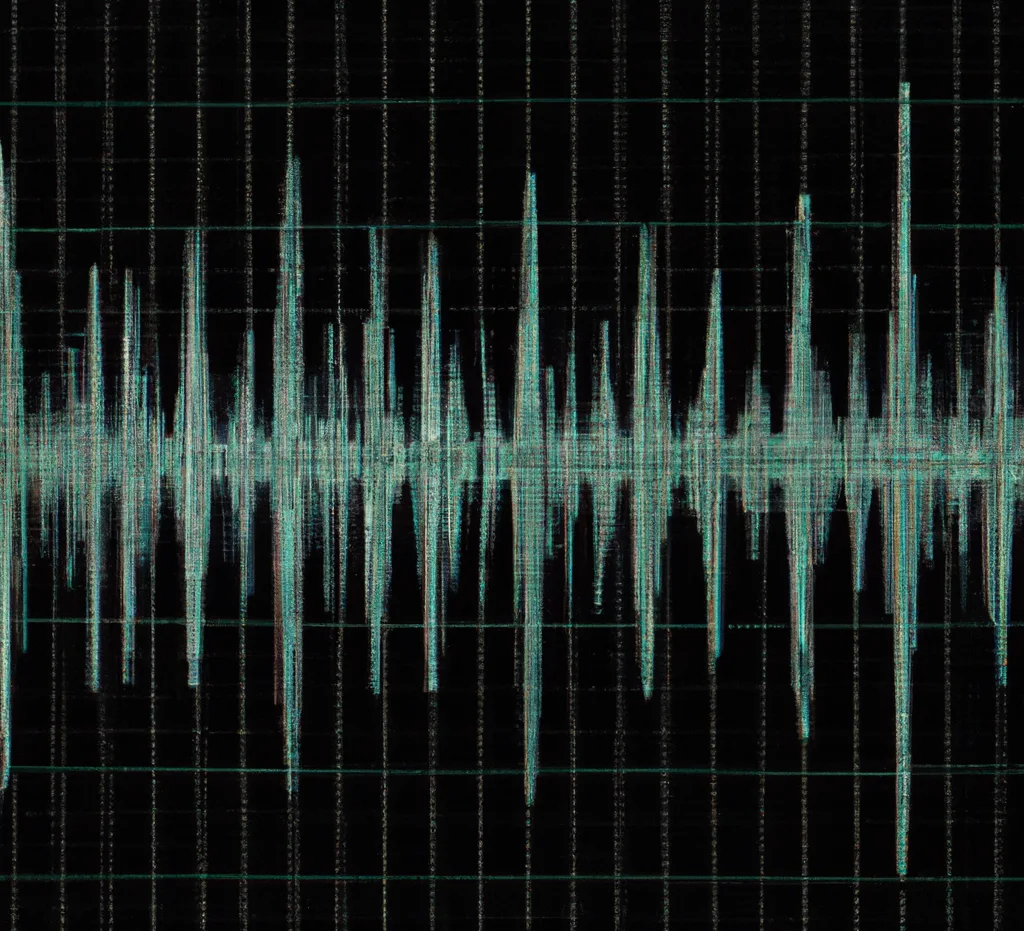
The sinusoidal waveform of alternating current when passed through a bridge rectifier tends to get converted into a square wave. This square wave still contains AC components that are not suitable for DC electronic devices.
Interestingly, a power inverter can do the reverse of a rectifier. It takes DC and changes it back to AC. You might wonder why convert it back to AC? Well, some applications require the DC to be converted back to alternating current, such as in the case of a DC to AC power inverter.

The square wave output from the bridge rectifier is still not a pure DC. This is where a capacitor comes into play. By using a capacitor in the circuit, the square wave can be smoothed out into a voltage level that more closely resembles a DC signal.
In power electronics, `displaystyle` is often used to represent complex waveforms mathematically. This is crucial for engineers who are designing or understanding a circuit for an AC to DC converter. Understanding the waveform, whether it's a sine wave, square wave, or any other form, is crucial for the efficient conversion of electrical energy.
When dealing with AC and DC, the units like hertz (Hz) and volt (V) become very important. For instance, in the United States, the standard power supply frequency is 60 Hz with a voltage of around 110-120V. A power converter will take this and convert it to a 12V or 5V DC power supply, depending on the requirement.
In advanced circuits, after the action of a rectifier and capacitor, a voltage regulator may be used to ensure that the output DC voltage remains constant regardless of fluctuations in the input AC voltage. This is particularly useful for sensitive electronic devices that require a stable power supply.

Many of the chargers for our electronic devices like laptops and smartphones are essentially AC DC converters, acting as an adapter between the AC supply and the DC power supply needed by the electronic device. Some specialized converters even offer the function of a DC to DC converter, which can adjust DC voltage levels just like a transformer does for AC.
Before the widespread use of semiconductors, a commutator was often used to convert AC to DC. The commutator reverses the direction of electric current twice during each cycle, mimicking a sort of mechanical rectifier. However, in modern power electronics, solid-state devices like diodes have largely replaced commutators.
The AC to DC converter plays a vital role in our lives, ensuring our electronic devices get the right kind of power. From the use of transformers and bridge rectifiers to the role of capacitors and voltage regulators, the intricacies are many. As we continue to rely on an increasing array of electronic components, the need for efficient and reliable converters will only grow. Understanding how they function is not just for electrical engineers but anyone who wants to grasp how our modern world is powered.


We're excited to unveil our Smart Polygon system in Flux! This powerful capability builds on top of our automatic copper fills to transform how you create and manage custom copper areas in your PCB designs.


Fast charging has come a long way—and one of the most advanced technologies in this space is Programmable Power Supply (PPS). If you’ve ever wondered why your device charges faster with some cables and adapters than others, PPS might be the answer.

This blog post highlights a series of innovative reference designs developed by renowned manufacturers using Flux. These reference designs encompass a variety of applications, including advanced light sensing, robust data communication, and compact distance measurement. This diverse array showcases the adaptability and effectiveness of Flux in meeting the varied needs of industrial sensing applications

Buck and Boost converters are highlighted for their power efficiency and system reliability roles. The blog reveals their unique advantages, making them essential in diverse applications like renewable energy and portable electronics.


