Interface ICs
An interface IC is a type of integrated circuit that is designed to facilitate communication between two devices or systems. These devices are commonly used in electronic systems to enable the transfer of data and control signals between different components or subsystems. Some common use cases for interface ICs include connecting microcontrollers to peripherals such as sensors or displays, linking multiple processors together in a network, and enabling communication between devices using different communication protocols. Flux.ai has the world's largest community-driven public library of interface ICs, with footprints, symbols, datasheets, and simulation models. This library is a valuable resource for engineers and designers who need access to accurate and up-to-date information on these important components. Whether you are working on a new design project or simply looking to learn more about interface ICs, Flux.ai is an excellent resource to help you find the information you need.
MMICT5848-00-012
27 Hz ~ 18 kHz Digital, I2S Microphone MEMS (Silicon) 1.62 V ~ 1.98 V Omnidirectional (-37dB ±1dB @ 94dB SPL) Solder Pads TDK InvenSense T5848 TDK T5848 is a low-noise digital MEMS microphone with a bottom-port acoustic interface and industry-standard I²S digital audio output. The device integrates a MEMS microphone element, impedance converter, ADC, decimation filtering, anti-aliasing filtering, power management, and a 24-bit digital audio interface in a compact 3.5 mm × 2.65 mm × 0.98 mm package. The T5848 supports multiple operating modes including High Quality, Low Power, Sleep, and Always-On Voice (AOV) modes, making it ideal for battery-powered and voice-activated applications. With up to 68 dBA SNR, 133 dB SPL acoustic overload point, and extended frequency response from 27 Hz to 18 kHz, the T5848 is optimized for wearables, IoT devices, smart TVs, gaming systems, teleconferencing equipment, voice assistants, and always-listening audio applications. Search Keywords: T5848, TDK T5848, MEMS Microphone, Digital MEMS Microphone, I2S Microphone, Bottom Port Microphone, Always On Voice Microphone, AOV Microphone, Low Power MEMS Microphone, Wearable Microphone, IoT Audio Sensor, Voice Recognition Microphone, Digital Audio Input, 24-bit I2S Microphone, DSP Microphone, Smart Speaker Microphone, Voice Assistant Microphone, TDK InvenSense Microphone, Teleconference Audio Microphone, Embedded Audio Sensor Hashtags: #T5848 #TDK #InvenSense #MEMSMicrophone #DigitalMicrophone #I2SMicrophone #AudioSensor #AlwaysOnVoice #VoiceRecognition #WearableElectronics #IoTDevices #EmbeddedAudio #VoiceAssistant #SmartDevices #DSP #ElectronicsDesign #PCBDesign #EmbeddedSystems #HardwareEngineering #AudioElectronics
11 Uses0 StarsSK6812MINIRGBW-NW-P6
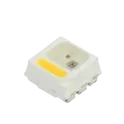
3.5x3.7×1.9 mm, 0.25 W intelligent externally controlled surface-mount device (SMD) type LED SK6812MINIRGBW-NW-P6 is a smart, addressable RGBW LED that integrates red, green, blue, and neutral white (NW) LEDs with a built-in control IC in a compact SMD package. Each LED acts as an individually addressable pixel, allowing precise color and brightness control through a single-wire digital interface. It is commonly used in RGBW lighting effects, backlighting, gaming peripherals, custom keyboards, LED displays, wearables, and decorative lighting applications. Key Features Individually addressable RGB + Neutral White (RGBW) LED Built-in intelligent control IC and constant-current driver Single-wire serial communication interface 32-bit color data (RGBW control) Cascadable design for long LED chains Integrated signal reshaping for reliable data transmission Operating voltage: 3.5V to 5.5V Typical data transmission rate: 800 kbps 256-level grayscale PWM dimming per channel Compact 3.7 mm × 3.5 mm SMD-6 package Built-in power-on reset circuit Wide operating temperature range: -40°C to +85°C Suitable for animations, indicators, displays, and smart lighting applications. #SK6812MINIRGBW #SK6812 #RGBWLED #AddressableLED #SmartLED #NeutralWhiteLED #DigitalLED #PixelLED #LEDLighting #EmbeddedSystems #PCBDesign #IoT #Electronics #LEDDisplay #LightingControl
36 Uses0 Stars20455-030E-76
30 Position Receptacle Connector 0.020" (0.50mm) Surface Mount, Right Angle Gold 20455-030E-76 is a 30-position CABLINE®-VS micro-coaxial receptacle connector from I-PEX. It is a high-speed, 0.5 mm pitch, right-angle surface-mount connector designed for applications requiring reliable high-bandwidth signal transmission such as USB4, Thunderbolt™, PCIe, eDP, notebook displays, and telecommunications equipment. The connector features a mechanical locking system to ensure secure mating and prevent accidental disconnects. 30-position receptacle connector 0.5 mm pitch, single-row design Surface-mount, right-angle PCB mounting Supports high-speed data transmission up to 20 Gbps/lane Mechanical locking bar for secure connection Shielded construction for improved signal integrity Gold-plated contacts for enhanced reliability Compatible with CABLINE®-VS series plug assemblies Operating temperature range: -40°C to +85°C LCP (Liquid Crystal Polymer) housing with UL94 V-0 flammability rating Designed for USB4, Thunderbolt 4, PCIe, eDP, and other high-speed interfaces #IPEX #CABLINEVS #MicroCoaxConnector #HighSpeedConnector #USB4 #Thunderbolt4 #PCIe #eDP #BoardToCable #SMTConnector #ElectronicsDesign #Telecommunications #ConnectorTechnology #HighSpeedInterconnects
3 Uses0 StarsE04-400M16S
Transceiver 433MHz IPEX interface -100dBm 1km SPI SMD,20x14mm RF Transceiver Modules and Modems RoHS The E04-400M16S is based on STMicroelectronics' S2-LPQTR chip as the core, it is an ultra-small size chip wireless transceiver RF module independently developed by Ebyte, working in the 433M/470M frequency band, with a maximum transmission power of 16dBm. Since this module is a SPI pure hardware radio frequency transceiver module, it needs to be driven by MCU. Features Ultra-small size, only 14x20mm; The communication distance can reach 1km under ideal conditions; The maximum transmit power is 16dBm; The receiving current (RX) is as low as 7mA, and the transmitting current (TX) is as low as 10mA@10dBm; Low power consumption, suitable for battery-powered applications; Support 433M/470M frequency band; Support multiple debugging modes of 2(G)FSK, 4(G)FSK, OOK, ASK; Support 2.5V~3.6V power supply, power supply greater than 3.3V can guarantee the best performance; Industrial-grade standard design, supporting long-term use at -40~85℃; IPEX interface and stamp hole are optional, which is convenient for users to develop and integrate. Application Smart meeting Wireless alarm system Smart door lock Building automation Industrial acquisition and control Intelligent lighting system #E04_400M16S #EBYTE #S2LP #RFModule #WirelessTransceiver #433MHz #470MHz #IoT #IndustrialAutomation #SmartHome #LongRangeWireless #SPI #LowPowerRF #EmbeddedSystems #WirelessCommunication
0 Uses0 StarsMTCH2120-V/REB
Touchscreen Controller 2 Wire Capacitive I2C Interface 20-VQFN (3x3) The MTCH2120-V/REB specification defines the engineering requirements for a capacitive touch sensing controller integrated circuit designed for human-machine interface applications in embedded electronic systems. This specification establishes the functional, electrical, mechanical, environmental, and quality requirements necessary to ensure accurate touch detection, stable system performance, and reliable operation across consumer, industrial, and embedded environments. The device is intended for use in applications requiring touch-based user input such as control panels, interface buttons, and capacitive sensing surfaces. It provides robust sensing performance with immunity to noise and environmental variation, enabling reliable detection of touch events in compact and low-power electronic designs. Engineering Requirements The integrated circuit shall be manufactured using qualified semiconductor fabrication processes to ensure consistent sensing performance, low power consumption, and long-term operational stability. The device shall support reliable capacitive touch detection under defined electrical and environmental conditions without degradation of sensitivity or accuracy. The sensing architecture shall provide stable touch event detection with immunity to electrical noise, environmental interference, and parasitic capacitance variations. The system shall maintain consistent performance across intended operating conditions including temperature variation and supply voltage fluctuation. Electrical characteristics shall ensure stable digital communication, accurate sensing response, and reliable operation during startup, normal operation, and power transitions. The device shall maintain functional integrity during dynamic system conditions without false triggering or loss of sensitivity. Mechanical and package construction shall be suitable for surface-mount assembly and shall ensure robustness during soldering, handling, and long-term operation. Workmanship shall be free from defects such as contamination, cracks, bonding issues, or structural inconsistencies that could impact electrical or mechanical reliability. Inspection, validation, and testing shall be performed using controlled procedures and calibrated equipment to ensure compliance with all applicable engineering and quality requirements. Any deviation from this specification shall require formal engineering review, documented justification, and approval through established change control processes. Documentation Supporting documentation shall include official datasheets, reference design materials, electrical characterization reports, qualification data, inspection records, and revision-controlled manufacturing documentation. All documentation shall be maintained under formal configuration management and quality assurance systems to ensure traceability and consistency. Revision Control All modifications to this specification shall be managed through formal engineering change control procedures. Each revision shall undergo technical evaluation, validation, and approval prior to implementation to ensure continued compliance with design intent and applicable standards. #EngineeringSpecification #CapacitiveTouch #HMI #MicrochipTechnology #EmbeddedSystems #UserInterface #SensorIC #LowPowerDesign #ElectronicsDesign #QualityAssurance #EngineeringDocumentation
1 Uses0 Stars2479774-2
USB-C (USB TYPE-C) Receptacle Connector 24 (6+18 Dummy) - Power Only 6 Pin Position Surface Mount, Right Angle; Through Hole The 2479774-2 specification defines the engineering requirements for a high-density electronic connector assembly intended for board-to-cable or board-to-board interconnection in advanced electronic systems. This specification establishes the functional, mechanical, electrical, environmental, and quality requirements necessary to ensure reliable signal transmission, stable mechanical engagement, and long-term durability in demanding electronic applications. The component is intended for use in systems requiring compact interconnect solutions with high signal integrity and robust mechanical retention. It is suitable for applications such as industrial electronics, communication systems, embedded control units, and high-performance electronic assemblies where reliable connectivity and repeatable mating performance are required. Engineering Requirements The connector assembly shall be manufactured using precision-formed conductive materials and high-strength insulating housing materials to ensure stable electrical performance and mechanical reliability. The design shall support secure mating engagement and consistent signal continuity across repeated connection cycles. Electrical characteristics shall ensure low contact resistance, stable signal integrity, and reliable conductivity under defined operating conditions. The connector shall maintain performance under mechanical vibration, thermal variation, and environmental stress conditions typical of industrial and embedded system applications. Mechanical construction shall ensure accurate alignment between mating interfaces, secure locking engagement, and resistance to accidental disconnection. The design shall support repeated mating cycles without degradation of electrical or mechanical performance. Workmanship shall be free from defects such as contamination, deformation, plating irregularities, or structural inconsistencies that could impact reliability or functionality. Manufacturing and inspection shall be conducted under controlled quality systems using calibrated equipment to ensure compliance with engineering requirements. Any deviation from this specification shall require formal engineering review, documented justification, and approval through established engineering change control procedures prior to implementation. Documentation Supporting documentation shall include engineering drawings, connector datasheets, material declarations, inspection records, qualification test reports, and revision-controlled manufacturing documentation. All documentation shall be maintained under formal configuration management and quality assurance systems. Revision Control All changes to this specification shall be managed through formal engineering change control procedures. Each revision shall undergo technical evaluation, validation, and approval prior to release to ensure continued compliance with design intent and applicable standards. #EngineeringSpecification #Connector #HighDensityInterconnect #ElectronicComponents #SignalIntegrity #EmbeddedSystems #IndustrialElectronics #Manufacturing #QualityAssurance #EngineeringDocumentation
12 Uses0 StarsBT151-600R
The BT151-600R specification defines the engineering requirements for a high-power silicon controlled rectifier designed for phase control and switching applications in electronic power systems. This specification establishes the functional, electrical, mechanical, environmental, and quality requirements necessary to ensure reliable switching performance, controlled power regulation, and long-term operational stability. The device is intended for use in applications requiring efficient control of AC power or high-current DC switching, such as motor speed control, light dimming, power regulation circuits, and industrial control systems. It provides controlled conduction behavior triggered by gate activation and remains in conduction until current falls below the holding condition. Engineering Requirements The semiconductor device shall be manufactured using controlled silicon processing techniques to ensure stable thyristor operation, consistent triggering characteristics, and reliable current handling capability. The device shall maintain predictable switching behavior under defined electrical, thermal, and environmental operating conditions. Electrical characteristics shall ensure reliable gate triggering sensitivity, stable on-state conduction, and controlled turn-off behavior under appropriate circuit conditions. The device shall maintain performance integrity under surge conditions and repetitive switching operation within its design limits. Thermal performance shall support efficient heat dissipation through the package structure and mounting interface. The device shall be suitable for attachment to appropriate heat sinking systems to maintain safe operating junction conditions during continuous or high-load operation. Mechanical and package construction shall be suitable for surface-mount or power PCB assembly and shall ensure robust mechanical stability during soldering, handling, and thermal cycling. Workmanship shall be free from defects such as contamination, cracks, bond wire issues, or structural inconsistencies that could impact performance or reliability. Inspection, validation, and testing shall be performed using controlled procedures and calibrated equipment to ensure compliance with all applicable engineering and quality requirements. Any deviation from this specification shall require formal engineering review, documented justification, and approval through established change control processes. Documentation Supporting documentation shall include official datasheets, electrical characterization reports, thermal performance data, qualification test records, inspection reports, and revision-controlled manufacturing documentation. All documentation shall be maintained under formal configuration management and quality assurance systems to ensure traceability and consistency. Revision Control Any modification to this specification shall be managed through formal engineering change control procedures. All revisions shall undergo technical review, validation, and approval prior to implementation to ensure continued compliance with design intent and applicable standards. #EngineeringSpecification #SCR #Thyristor #PowerElectronics #PhaseControl #IndustrialControl #Semiconductor #PowerSwitching #QualityAssurance #EngineeringDocumentation
1 Uses0 StarsSTM32H533RET6
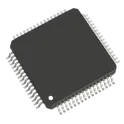
ARM® Cortex®-M33 STM32H5 Microcontroller IC 32-Bit 250MHz 512KB (512K x 8) FLASH 64-LQFP (10x10) The STM32H533RET6 specification defines the engineering requirements for a high-performance embedded microcontroller designed for advanced control, computation, and communication applications. This specification establishes the functional, electrical, mechanical, environmental, and quality requirements necessary to ensure reliable operation in complex embedded systems across industrial, consumer, and communication environments. The device is intended for use in applications requiring real-time processing capability, efficient peripheral integration, and secure system operation. It supports embedded control systems, industrial automation, sensor data processing, communication gateways, and other applications requiring deterministic performance and flexible connectivity. Engineering Requirements The microcontroller shall be manufactured using advanced semiconductor processes to ensure high processing efficiency, low power consumption, and long-term operational reliability. The device shall support stable execution of embedded firmware under defined electrical, thermal, and environmental conditions. The architecture shall provide integrated memory resources, high-speed processing capability, and a wide range of peripheral interfaces to support system-level integration. Communication interfaces and on-chip peripherals shall operate reliably under specified conditions without degradation of performance or data integrity. Electrical characteristics shall ensure stable logic operation, accurate timing behavior, and robust signal integrity during normal operation, reset events, and power transitions. The device shall maintain functional stability under dynamic load conditions and environmental variation. Mechanical and package construction shall be suitable for surface-mount assembly and shall ensure mechanical robustness during soldering, handling, and operation. Workmanship shall be free from defects such as contamination, cracks, deformation, or structural inconsistencies that could impact performance or reliability. Inspection, validation, and testing shall be performed using controlled procedures and calibrated equipment to ensure compliance with all applicable engineering and quality requirements. Any deviation from this specification shall require formal engineering review, documented justification, and approval through established change control processes. Documentation Supporting documentation shall include official datasheets, reference manuals, qualification reports, electrical characterization data, inspection records, and revision-controlled manufacturing documentation. All records shall be maintained under formal configuration management and quality assurance systems. Revision Control Any modification to this specification shall be managed through the formal engineering change control system. All revisions shall undergo technical evaluation, validation, and approval prior to implementation to ensure continued compliance with design intent and applicable standards. #EngineeringSpecification #Microcontroller #STM32H5 #STMicroelectronics #EmbeddedSystems #RealTimeControl #IndustrialElectronics #Firmware #Semiconductor #QualityAssurance #EngineeringDocumentation
1 Uses0 StarsSTM32F427IIT6
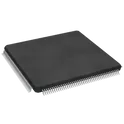
ARM® Cortex®-M4 STM32F4 Microcontroller IC 32-Bit 180MHz 2MB (2M x 8) FLASH 176-LQFP (24x24) The STM32F427IIT6 specification defines the engineering requirements for a high-performance microcontroller device designed for embedded processing applications requiring advanced computational capability, rich peripheral integration, and reliable real-time control. This specification establishes the functional, electrical, mechanical, environmental, and quality requirements necessary to ensure consistent operation across industrial, consumer, and communication systems. The device is intended for use in complex embedded systems where high-speed processing, efficient memory handling, and extensive peripheral connectivity are required. It supports applications such as industrial automation, motor control, signal processing, communication interfaces, and advanced embedded control systems. Engineering Requirements The microcontroller shall be manufactured using advanced semiconductor fabrication processes to ensure high processing performance, low power consumption, and long-term reliability. The device shall provide stable operation across its intended voltage, temperature, and environmental conditions while maintaining deterministic real-time behavior. The integrated architecture shall support high-speed processing capabilities, embedded memory resources, and multiple communication interfaces for system-level integration. Peripheral functionality shall operate reliably under defined electrical and environmental conditions without degradation of performance. Electrical characteristics shall ensure stable logic levels, accurate timing behavior, and robust signal integrity across all supported operating modes. The device shall maintain functional reliability during power transitions, reset conditions, and dynamic load variations. Mechanical and package construction shall be suitable for surface-mount assembly processes and shall ensure mechanical integrity during soldering, handling, and operation. Workmanship shall be free from defects including contamination, physical damage, or structural inconsistencies that could impact reliability or performance. Inspection, validation, and testing shall be performed using controlled procedures and calibrated equipment to ensure compliance with all applicable engineering and quality standards. Any deviation from this specification shall require formal engineering review, documented justification, and approval through the established change control process. Documentation Supporting documentation shall include engineering datasheets, reference manuals, qualification reports, electrical characterization data, inspection records, and revision-controlled manufacturing documentation. All records shall be maintained under formal configuration management and quality assurance systems. Revision Control Any modification to this specification shall be processed through the established engineering change management system. All revisions shall undergo technical review, validation, and formal approval prior to implementation to ensure continued compliance with design intent and applicable industry requirements. #EngineeringSpecification #Microcontroller #EmbeddedSystems #STMicroelectronics #DigitalControl #IndustrialElectronics #Firmware #Semiconductor #QualityAssurance #EngineeringDocumentation #RealTimeSystems
0 Uses0 StarsFX16-21S-0.5SH
FFC & FPC Connectors 21P SMT RECEPTACLE .5MM PITCH The FX16-21S-0.5SH is a surface-mount receptacle connector with 21 contacts arranged in a single row. It is optimized for space-saving PCB applications requiring reliable mating performance and high-speed signal integrity. The connector supports LVDS transmission up to 6.0 Gbps, making it suitable for display modules, industrial equipment, embedded systems, and other high-frequency electronic devices. Key Features Connector Type: SMT receptacle connector Series: FX16 Series Number of Positions: 21 contacts Contact Pitch: 0.5 mm Mounting Style: Surface Mount Technology (SMT) Orientation: Straight, standard on-board mounting Locking Mechanism: Latch-lock type for secure mating Contact Plating: Gold plated for improved conductivity and durability Rated Current: 0.5 A per contact Rated Voltage: AC 60 V High-Speed Performance: Supports LVDS transmission up to 6.0 Gbps Operating Temperature Range: -55 °C to +80 °C Shielding: Metal shield structure for noise reduction Mating Cycles: Up to 50 cycles Compact Dimensions: Approx. 22.85 mm × 5.55 mm × 4.4 mm Typical Applications LCD/display interfaces Industrial control equipment Embedded systems High-speed communication modules Consumer electronics Compact PCB assemblies #Hirose #FX16Series #FX1621S05SH #SMTConnector #BoardToBoardConnector #LVDS #HighSpeedConnector #FPCConnector #PCBDesign #ElectronicComponents #ConnectorTechnology
1 Uses0 Stars