Switches
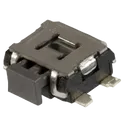
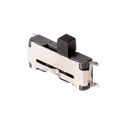
A switch is a device that allows electricity to flow through a circuit by completing or interrupting the connection. It is a common component in electrical and electronic systems and is used in a variety of applications, such as controlling the flow of electricity in a circuit, turning devices on and off, and routing electrical signals. One of the primary use cases for switches is to control the flow of electricity in a circuit. This can be done by manually flipping the switch or by using a control mechanism, such as a timer or a sensor. Another common use for switches is to turn devices on and off. This can be done using a switch that is built into the device or by using a separate switch that is connected to the device. In addition to these basic use cases, switches can also be used to route electrical signals. For example, a switch can be used to route a signal from one device to another or to direct a signal to a specific circuit or component. If you're looking for a wide variety of switches for your projects, flux.ai has the world's largest community-driven public library of them. The library includes footprints, symbols, datasheets, and simulation models for a wide range of switches, making it easy to find the right switch for your needs.
TPS61088RHLR
TPS61088RHLR — Texas Instruments 10-A synchronous boost converter in RHL 20-pin VQFN package with exposed thermal pad. PCB footprint uses 21 pads: 20 perimeter terminals plus the exposed PGND thermal pad. Features 2.7 V to 12 V input, 4.5 V to 12.6 V adjustable output, 200 kHz to 2.2 MHz programmable switching frequency, programmable soft start, adjustable switch peak-current limit, 13.2 V output overvoltage protection, cycle-by-cycle overcurrent protection, and thermal shutdown. #commonpartslibrary #integratedcircuit #powermanagement #voltageregulator
556 Uses0 Stars