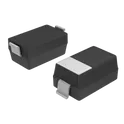
Diodes
A diode is a two-terminal electronic component that conducts current primarily in one direction. It is made up of a semiconductor material and has the ability to allow current to pass through it in one direction while blocking current in the opposite direction. Diodes have a wide range of use cases, including rectification, voltage regulation, signal detection, and power management. They are essential components in electronic circuits and can be found in a variety of electronic devices, including computers, smartphones, and appliances. Flux.ai is the world's largest community-driven public library of diodes, with a vast collection of footprints, symbols, datasheets, and simulation models. It is a valuable resource for anyone looking to learn about or work with diodes. Whether you are a student, engineer, or hobbyist, you can find the information and resources you need at Flux.ai to help you understand and work with diodes in your projects.
B380C5000-3300A
Phases = Single / Number of Diodes = 4 / Reverse Repetitive Voltage Max. (Vrrm) V = 800 / Forward Voltage (Vf) V = 1 / Peak Average Forward Current (If(AV)) A = 5.8 / Peak Non-Repetitive Surge Current (Itsm) A = 165 / Operating Temperature Min. °C = -50 / Operating Temperature Max. °C = 150 / Package Type = SIP / Pins = 4 / Mounting Type = Through Hole / Packaging = Tray / Peak Reverse Current uA = 5 / Peak RMS Reverse Voltage V = 380 / Reflow Temperature Max. °C = 260 #CommonPartsLibrary #Diode #BridgeRectifier
6 Uses0 Stars