Timers and RTCs
Timers and Real-Time Clocks (RTCs) are electronic devices that are used to measure time or keep track of the current time. They can be found in a wide range of applications, including computers, phones, and appliances. Timers are used to trigger an action after a specific period of time has elapsed. They can be used to control the duration of an event, or to schedule tasks to be performed at a later time. RTCs, on the other hand, are used to maintain accurate time even when the device is powered off. They are often used in devices that need to keep track of the current time and date, such as alarm clocks and smart thermostats. If you're looking for high-quality timers and RTCs for your electronic projects, you should check out Flux.ai. They have the world's largest community-driven public library of timers and RTCs, with footprints, symbols, datasheets, and simulation models. This makes it easy for you to find the components you need for your project, and ensures that you have access to accurate and up-to-date information about each component. Whether you're a professional engineer or a hobbyist, Flux.ai has the resources you need to get your project off the ground.
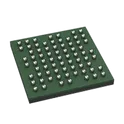
STM32WLE5JCI6
Multiprotocol LPWAN 32-bit Arm Cortex-M4 MCUs, LoRa, (G)FSK, (G)MSK, BPSK, up to 256KB flash, 64KB SRAM IC RF TxRx + MCU 802.15.4 LoRa™ 150MHz ~ 960MHz 73-UFBGA The STM32WLE5JCI6 is an ultra-low-power wireless System-on-Chip (SoC) from STMicroelectronics that combines a 32-bit Arm Cortex-M4 microcontroller with an integrated sub-GHz radio transceiver. It is designed for long-range, low-power IoT and LPWAN applications such as smart metering, smart cities, industrial sensors, and remote monitoring systems. It supports multiple modulation schemes including LoRa®, (G)FSK, (G)MSK, and BPSK, making it flexible for both proprietary and standardized wireless protocols like LoRaWAN®. The device integrates RF, analog, digital, and security features into a single chip to reduce external components and PCB size. Key Features Core & Performance 32-bit Arm® Cortex®-M4 core up to 48 MHz DSP instructions and MPU support Up to 256 KB Flash and 64 KB SRAM Wireless Radio Sub-GHz frequency range: 150 MHz – 960 MHz Supports LoRa®, (G)FSK, (G)MSK, BPSK High receiver sensitivity up to –148 dBm (LoRa mode) Output power up to +22 dBm Ultra-Low Power Operation Supply voltage: 1.8 V – 3.6 V Very low sleep currents (nA–µA range) Optimized for battery-powered and energy-harvesting devices Peripherals Up to 43 GPIOs ADC (12-bit), DAC, comparators Multiple timers (16-bit and 32-bit) Interfaces: SPI, I2C, UART/USART, LPUART, I2S Security Features Hardware AES-256 encryption True Random Number Generator (TRNG) Secure memory protection and unique device ID System Integration Integrated RF + MCU (highly reduced BOM) OTA firmware update capability Industrial temperature range (typically –40°C to +85°C / +105°C depending variant) Summary The STM32WLE5JCI6 is a highly integrated LoRa-capable MCU + RF transceiver SoC, optimized for long-range wireless communication with extremely low power consumption, making it ideal for IoT devices that must run for years on battery power. #CommonPartsLibrary #IntegratedCircuit #STM32WLE5JCI6 #STM32WL #LoRa #IoT #LowPowerMCU #ArmCortexM4 #SubGHzRF #WirelessMCU #LPWAN #STMicroelectronics
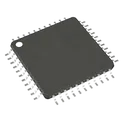
1 Uses0 StarsATMEGA32U4-AU
Microchip ATmega32U4 high-performance low-power 8-bit AVR microcontroller with integrated USB 2.0 full-speed device controller, up to 16MHz operation, 32KB Flash memory, 2.5KB SRAM and 1KB EEPROM, 12-channel 10-bit ADC, timers, PWM, SPI, TWI/I2C, USART, JTAG debug interface, watchdog timer, brown-out detection and multiple sleep modes, operating voltage range 2.7V to 5.5V, available in TQFP-44 and QFN-44 packages. Search Keywords: ATmega32U4, Microchip ATmega32U4, Atmel ATmega32U4, AVR USB microcontroller, 8-bit AVR MCU, ATmega32U4 USB, ATmega32U4 TQFP44, ATmega32U4 QFN44, 32KB Flash AVR, Arduino Leonardo MCU, Pro Micro MCU, ATmega32U4 datasheet Hashtags: #ATmega32U4 #MicrochipATmega32U4 #AtmelATmega32U4 #AVRMicrocontroller #8bitMCU #USBMicrocontroller #USBFullSpeed #32KBFlash #ArduinoLeonardoMCU #ProMicroMCU #TQFP44 #QFN44MCU AVR 32K FLASH 16MHZ 44-TQFP Atmel ATMEGA32U4-AU, 8bit AVR Microcontroller, 16MHz, 1 kB, 32 kB Flash, 44-Pin TQFP USB-C Pro Micro ATmega32U4 / Elite-C compatible module
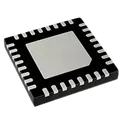
19 Uses0 StarsSTM32L432KCU6
ST Microelectronics STM32L432KCU6 UFQFPN-32_L5.0-W5.0-P0.50-TL-EP3.5 LCSC Part Number: C1337280 JLCPCB Part Class: Extended Part Manufactured by ST(意法半导体) STMicroelectronics STM32L432KC ultra-low-power 32-bit ARM Cortex-M4 microcontroller with FPU running up to 80MHz, featuring 256KB Flash memory, 64KB SRAM, USB 2.0 Full-Speed device support, Quad-SPI interface, RTC with calendar and alarms, true random number generator (TRNG), DMA controller, CAN 2.0B, UART, LPUART, SPI, I2C, SAI audio interface, 12-bit 5MSPS ADC, dual 12-bit DACs, operational amplifier with PGA, comparators, capacitive sensing channels, advanced timers and ultra-low-power modes. Operates from 1.71V to 3.6V and is optimized for battery-powered, industrial, medical, IoT and portable embedded applications. Search Keywords: STM32L432KC, STM32L432KCU6, STM32L432KCU6TR, STM32L432, STM32L4 series, STM32 Cortex-M4 MCU, STM32 low power microcontroller, STM32 256KB Flash 64KB SRAM, STM32 USB FS MCU, STM32 CAN MCU, STM32 Quad SPI MCU, STM32L432 datasheet, STM32L432 development board, Nucleo-L432KC, ARM Cortex-M4 FPU Hashtags: #STM32L432KC #STM32L432KCU6 #STM32L432 #STM32L4 #STMicroelectronics #CortexM4 #ARMMicrocontroller #LowPowerMCU #EmbeddedSystems #USBFS #CANBus #QuadSPI #ADC12bit #DAC12bit #RTC #TRNG #IoTMCU #IndustrialMCU #MedicalElectronics #NucleoL432KC
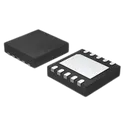
46 Uses0 StarsBQ24040DSQT
Battery Management ICs BQ24040DSQT WSON-10_L2.0-W2.0-P0.40-TL-EP LCSC Part Number: C2876332 JLCPCB Part Class: Extended Part Manufactured by TI(德州仪器) Texas Instruments BQ2404x highly integrated single-cell Li-Ion/Li-Pol linear battery charger IC for space-limited portable applications, supports USB or AC adapter input, selectable 100mA or 500mA USB input current limit, 1% charge voltage accuracy, 10% charge current accuracy, programmable charge termination and precharge thresholds, 4.35V chemistry support on BQ24045, 30V input rating with 6.6V or 7.1V input overvoltage protection, dynamic power management, thermal regulation and 150°C thermal shutdown, OUT short-circuit and ISET short protection, JEITA battery NTC operation, fixed 10-hour safety timer, status indication, available in 10-pin 2x2mm WSON/DFN package. Search Keywords: BQ2404x, BQ24040, BQ24041, BQ24045, Texas Instruments BQ24040, Texas Instruments BQ24041, Texas Instruments BQ24045, TI BQ2404x, BQ24040 battery charger, BQ24041 battery charger, BQ24045 battery charger, single cell Li-Ion charger, Li-Pol battery charger IC, USB battery charger IC, 500mA battery charger, 100mA USB charger, linear battery charger, 4.35V Li-Ion charger, WSON-10 charger, DFN-10 battery charger, 2x2mm charger IC Hashtags: #BQ2404x #BQ24040 #BQ24041 #BQ24045 #TexasInstrumentsBQ24040 #TIBatteryCharger #BatteryChargerIC #LiIonCharger #LiPolCharger #SingleCellCharger #USBChargerIC #LinearBatteryCharger #500mACharger #100mAUSBCharger #435VCharger #JEITACharger #NTCBatteryCharger #WSON10 #DFN10 #2x2mmPackage
36 Uses0 StarsBQ25798RQMR
BQ25798RQMR QFN-29_L4.0-W4.0-P0.40-TL-BQ25792RQMR LCSC Part Number: C2876593 JLCPCB Part Class: Extended Part Manufactured by TI(德州仪器) Texas Instruments BQ25798 fully integrated switch-mode buck-boost battery charger for 1-4 cell Li-ion and Li-polymer batteries, supports USB PD 3.0 power profile, integrates four switching MOSFETs, BATFET, input and charging current sensing, 3.6V to 24V input operating range with 30V absolute maximum, 750kHz or 1.5MHz switching frequency, up to 5A charging current with 10mA resolution, up to 96.5% efficiency, supports MPPT for photovoltaic charging, USB BC1.2/HVDCP/non-standard adapter detection, NVDC power path management, USB OTG output from 2.8V to 22V up to 3.32A, I2C control, integrated 16-bit ADC, low quiescent current, thermal regulation, OVP/OCP protection, safety timer, 29-pin 4x4mm QFN package. Search Keywords: BQ25798, Texas Instruments BQ25798, TI BQ25798, BQ25798 battery charger, BQ25798 buck boost charger, BQ25798 Li-ion charger, BQ25798 Li-polymer charger, 1-4 cell battery charger, USB PD 3.0 battery charger, buck boost charger IC, NVDC power path charger, MPPT battery charger IC, photovoltaic battery charger, USB OTG charger IC, 5A charging current charger, I2C battery charger, BQ25798 QFN-29, 4x4mm QFN charger, BQ25798 datasheet Hashtags: #BQ25798 #TexasInstrumentsBQ25798 #TIBatteryCharger #BatteryChargerIC #BuckBoostCharger #LiIonCharger #LiPolymerCharger #1to4CellCharger #USBPDCharger #USBPD30 #NVDCCharger #PowerPathManagement #MPPTCharger #PhotovoltaicCharger #USBOTGCharger #5ACharger #I2CCharger #IntegratedADC #QFN29 #4x4mmQFN
108 Uses0 StarsBQ25792RQMR
Charger IC Lithium Ion/Polymer 29-VQFN-HR (4x4) The BQ25792 is a fully integrated switch-mode buck-boost charger for 1-4 cell Li-ion batteries and Li-polymer batteries. The integration includes 4 switching MOSFETs (Q1, Q2, Q3, Q4), input and charging current sensing circuits, the battery FET (QBAT) and all the loop compensation of the buck-boost converter. It uses NVDC power path management, regulating the system slightly above the battery voltage without dropping below a configurable minimum system voltage. When system power exceeds the input source rating, battery supplement mode supports the system without overloading the input source. BQ25792 supports the full input and output (OTG) voltage ranges for USB Type-C™ and USB power delivery (USB-PD) applications. • High power density, high integration buck-boost charger for 1-4 cell batteries supporting any USB PD 3.0 profile – Integrates four switching MOSFETs, BATFET – Integrates input and charging current sensing • Highly efficient – 750-kHz or 1.5-MHz switching frequencies – 5-A charging current with 10-mA resolution • 96.5% efficient: 16-V battery at 3A from 20V • Supports a wide range of input sources – 3.6-V to 24-V wide input operating voltage range with 30-V absolute maximum rating – Maximum power tracking with input voltage dynamic power management (VINDPM) up to 22 V and input current dynamic power management (IINDPM) up to 3.3 A – Detects USB BC1.2, SDP, CDP, DCP, HVDCP and non-standard adapters • Dual-input power mux controller (optional) for source selection • Narrow voltage DC (NVDC) power path management • Powers USB port from battery (USB OTG) – 2.8-V to 22-V OTG output voltage with 10-mV resolution to support USB-PD PPS – OTG output current regulation up to 3.32 A with 40-mA resolution • Flexible autonomous and I2C mode for optimal system performance • Integrated 16-bit ADC for voltage, current, and temperature monitoring • Low battery quiescent current – 21 µA for battery only operation – 600 nA in Charger Shutdown Mode • High accuracy – +0.65% to -0.85% charge voltage regulation for 2S-4S batteries – ±5% charge current regulation – ±5% input current regulation • Safety – Thermal regulation and thermal shutdown – Input/battery OVP and OCP – Converter MOSFETs OCP – Charging safety timer • Package – 29-Pin 4 mm × 4 mm QFN #CommonPartsLibrary #IntegratedCircuit #PowerManagement #Battery-Charger
77 Uses0 StarsBQ24075QRGTRQ1
Charger IC Lithium Ion 16-VQFN (3x3) The BQ24075QRGTRQ1 is an automotive-qualified standalone linear battery charger and power-path management integrated circuit designed for single-cell Li-Ion and Li-Polymer battery applications. The device integrates battery charging, system power regulation, input current limiting, and dynamic power-path management into a compact solution optimized for portable and embedded automotive systems. The charger supports USB and external adapter power sources while automatically managing system load distribution between the input supply and battery. Integrated thermal regulation and safety protection features improve reliability under varying operating conditions and harsh automotive environments. The BQ24075QRGTRQ1 supports programmable charging parameters, battery temperature monitoring, and power-good status reporting. The device is qualified for automotive applications and is suitable for infotainment systems, telematics, portable instrumentation, embedded battery-powered modules, and industrial handheld equipment. Key Features Automotive-qualified battery charger IC Single-cell Li-Ion and Li-Polymer battery support Integrated dynamic power-path management USB and adapter input compatibility Programmable fast-charge current control Integrated thermal regulation Input current limiting capability Battery temperature monitoring support Automatic charge termination functionality Short-circuit and over-temperature protection Power-good and charging status indication Compact surface-mount package Optimized for portable and embedded applications Electrical Characteristics Linear charging architecture High integration power management solution Dynamic load sharing between system and battery Stable regulated system output Programmable charging voltage and current Thermal foldback protection operation Low standby and shutdown current consumption Integrated safety timer functionality Wide input operating voltage range Applications Automotive infotainment systems Portable embedded electronics Industrial handheld equipment Battery-powered control modules Telematics systems USB-powered charging systems Portable instrumentation Data logging devices Embedded IoT products Rechargeable battery management systems Package Information Package Type: VQFN Mounting Type: Surface Mount Automotive-grade integrated circuit package RoHS compliant configuration available #commonpartslibrary #integratedcircuit #batterycharger #powermanagement #automotiveelectronics #lithiumbattery #embeddedhardware #usbcharging #portableelectronics #powerpathmanagement
35 Uses0 StarsATTINY1616-MFR
ATTINY1616-MFR QFN-20_L3.0-W3.0-P0.40-TL-EP1.7 LCSC Part Number: C1338523 JLCPCB Part Class: Extended Part Manufactured by MICROCHIP(美国微芯) Microchip ATtiny1614/1616/1617 tinyAVR 1-series 8-bit microcontroller, AVR CPU running up to 20MHz, up to 16KB self-programmable Flash memory, 256B EEPROM and 2KB SRAM, 1.8V to 5.5V operating voltage range, single-pin UPDI programming and debug interface, power-on reset and brown-out detector, internal 16/20MHz oscillator, timers, watchdog, USART, SPI, I2C/TWI, 10-bit ADC, DAC, analog comparators, event system, configurable custom logic and peripheral touch controller, available in 14-pin, 20-pin and 24-pin packages depending on variant. Search Keywords: ATtiny1614, ATtiny1616, ATtiny1617, Microchip ATtiny1614, Microchip ATtiny1616, Microchip ATtiny1617, tinyAVR 1-series, AVR 8-bit microcontroller, ATtiny 16KB Flash, ATtiny UPDI, ATtiny1616 microcontroller, ATtiny1617 MCU, ATtiny1614 MCU, 20MHz AVR microcontroller, ATtiny I2C SPI USART, ATtiny1616 datasheet, ATtiny1614 datasheet, ATtiny1617 datasheet Hashtags: #ATtiny1614 #ATtiny1616 #ATtiny1617 #MicrochipATtiny #MicrochipMCU #tinyAVR #tinyAVR1Series #AVRMicrocontroller #8bitMicrocontroller #ATtinyMCU #UPDI #16KBFlashMCU #20MHzMCU #I2CMCU #SPIMCU #USARTMCU #ADCmicrocontroller #TouchControllerMCU
60 Uses0 StarsESP32-DevKitC
The ESP32-DevKitC is an official ESP32-based development board from Espressif Systems designed for rapid prototyping and IoT application development. It integrates an ESP32 module (such as ESP32-WROOM-32E or ESP32-WROVER variants), USB-to-UART programming interface, power regulation circuitry, reset and boot buttons, and access to most ESP32 GPIOs through dual-row headers. The board is breadboard-friendly and supports wireless connectivity, making it suitable for smart devices, industrial monitoring, home automation, wearable electronics, and embedded control systems. Key Features ESP32 Dual-Core Processor Xtensa® 32-bit LX6 dual-core MCU Up to 240 MHz clock frequency High-performance embedded processing capability. Wireless Connectivity Integrated 2.4 GHz Wi-Fi (802.11 b/g/n) Bluetooth Classic (BR/EDR) and Bluetooth Low Energy (BLE) support. Memory Typically includes 4 MB SPI Flash Some variants provide additional PSRAM for memory-intensive applications. Rich Peripheral Interfaces UART, SPI, I²C, I²S, SDIO ADC and DAC PWM outputs Capacitive touch sensing Pulse counter and timer peripherals. Extensive GPIO Access Most ESP32 pins are broken out to headers Supports digital I/O, interrupts, analog inputs, and communication interfaces. Development-Friendly Hardware USB-to-UART bridge for programming and debugging Dedicated EN (Reset) and BOOT buttons On-board 3.3 V regulator Breadboard-compatible layout. Flexible Power Options Powered through Micro-USB and onboard power circuitry Supports external power connections through header pins. #DevelopmentBoard
182 Uses0 Stars