Sensors
A sensor is a device that detects and measures a physical property or phenomenon, such as temperature, pressure, or motion. Sensors are used in a wide range of applications, including industrial automation, environmental monitoring, healthcare, and transportation. Flux.ai is the world's largest community-driven public library of sensors, with footprints, symbols, datasheets, and simulation models. Our extensive collection of sensors covers a variety of use cases and industries, making it easy to find the perfect sensor for your application. Whether you need a temperature sensor for HVAC systems, a pressure sensor for automotive applications, or a motion sensor for security systems, Flux.ai has you covered. Our comprehensive library of sensors is constantly updated with the latest and most innovative technologies, ensuring that you have access to the best sensors available. So, if you need a sensor for your next project, be sure to check out Flux.ai and take advantage of our extensive collection and expert support.
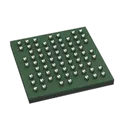
S32K358GHT1MJBST
ARM® Cortex®-M7 S32K3 Microcontroller IC 32-Bit Tri-Core 240MHz 8MB (8M x 8) FLASH 289-LFBGA (14x14) ## Engineering Specification ## General Description The **S32K358GHT1MJBST** is an NXP Semiconductors **S32K3 series automotive microcontroller** designed for high-performance embedded control applications in automotive, industrial, and electrically harsh environments. It is built around an **Arm Cortex-M7 architecture** and provides high processing capability, large embedded flash memory, automotive-grade qualification, security support, and a broad set of communication interfaces. The device is suitable for body control, gateway systems, vehicle networking, motor control, domain control, safety-related embedded systems, and general-purpose automotive electronic control units. ## Device Identification Manufacturer Part Number: **S32K358GHT1MJBST** Manufacturer: **NXP Semiconductors** Product Family: **S32K3** Device Category: **Integrated Circuit** Device Type: **Automotive Microcontroller** Core Architecture: **Arm Cortex-M7** Processing Class: **Thirty-Two-Bit MCU** Qualification: **Automotive Grade, AEC-Q100** ## Functional Description The device functions as a high-performance automotive microcontroller for embedded control and communication systems. It provides processing resources for real-time control, communication management, diagnostics, security handling, and system-level application logic. The microcontroller is designed for scalable automotive platforms where software reuse, safety capability, and peripheral integration are important. ## Core and Processing Description The **S32K358GHT1MJBST** uses an Arm Cortex-M7 based processing architecture with tri-core capability and high-speed operation. The core architecture supports digital signal processing, floating-point operation, interrupt handling, and real-time embedded software execution. This makes the device suitable for control systems that require strong computing performance and deterministic response. ## Memory Description The device includes large embedded flash memory for application firmware storage and integrated RAM for runtime operation, data buffering, communication stacks, and control algorithms. The memory architecture is suitable for complex embedded applications requiring large program space, diagnostics, bootloader support, and over-the-air update capability. ## Security and Safety Description The microcontroller includes hardware security support through **HSE-B security** and is intended for automotive applications where secure boot, cryptographic services, protected firmware operation, and system integrity are important. The S32K3 family also supports automotive safety-oriented development through features such as error correction, monitoring, and diagnostic capability. ## Communication and Interface Description The device supports multiple embedded communication interfaces suitable for vehicle and industrial networks. Supported interface types include CAN, Ethernet, I²C, SPI, UART, LIN, QSPI, SAI, SENT, and FlexIO. These interfaces allow the device to communicate with sensors, actuators, transceivers, memory devices, network controllers, and other electronic control units. ## Analog and Peripheral Description The microcontroller includes analog-to-digital conversion capability, timers, watchdog functions, direct memory access, serial audio support, and general-purpose input and output resources. These peripherals support sensing, control, timing, supervision, communication, and system management functions in embedded hardware designs. ## Electrical Description The device is designed for automotive low-voltage operation and supports use across a wide supply voltage range. It is intended for applications requiring reliable operation in automotive and industrial temperature environments. Proper power supply design, decoupling, reset control, clock configuration, and grounding should follow the manufacturer’s hardware design recommendations. ## Package and Mechanical Description The **S32K358GHT1MJBST** is supplied in a **surface-mount LFBGA package** with a compact ball-grid-array footprint. The package is intended for dense printed circuit board layouts requiring careful routing, controlled assembly process, thermal management, and proper solder joint reliability. ## Mounting and Assembly Description The component is intended for automated surface-mount PCB assembly using BGA-compatible manufacturing processes. PCB layout should follow the recommended footprint, ball escape routing, power-plane design, decoupling capacitor placement, thermal design, and inspection requirements for high-density automotive microcontroller assemblies. ## Application Suitability The device is suitable for automotive electronic control units, body control modules, gateway controllers, vehicle networking systems, motor control platforms, battery-related control systems, industrial controllers, safety-oriented embedded systems, and high-performance general-purpose control applications. ## Design Considerations The design should account for supply voltage range, clocking requirements, flash and RAM usage, thermal limits, package routing density, communication interface requirements, EMC performance, boot configuration, security provisioning, debugging access, software safety requirements, and compliance with automotive design guidelines. The device should not be operated beyond the manufacturer’s specified electrical, thermal, or mechanical limits. ## Hashtags #commonpartslibrary #integratedcircuit #microcontroller #automotivemcu #nxp #nxpsemiconductors #s32k3 #s32k358 #s32k358ght1mjbst #armcortexm7 #cortexm7 #thirtytwobit #automotiveelectronics #aecq100 #hsesecurity #canfd #ethernet #vehicleelectronics #embeddedhardware #embeddeddesign #ecu #gatewaycontroller #bodycontrolmodule #pcbdesign #hardwaredesign #electronicscomponents #electronicparts #componentlibrary #engineeringparts #electronicsengineering
2 Uses0 Stars1726202
8 Position Wire to Board Terminal Block Horizontal with Board 0.200" (5.08mm) Through Hole ## Engineering Specification ## General Description The **1726202** is a Phoenix Contact **MKKDSN series PCB terminal block** designed for compact and reliable wire-to-board connection in printed circuit board assemblies. It is intended for applications that require secure field wiring, serviceable conductor termination, and stable electrical connection between external wiring and PCB circuitry. The component is suitable for industrial control systems, automation equipment, power interfaces, instrumentation, building controls, and general electronic hardware assemblies. ## Device Identification Manufacturer Part Number: **1726202** Manufacturer: **Phoenix Contact** Product Name: **MKKDSN 1,5/ 8-5,08** Product Family: **MKKDSN 1,5** Product Line: **COMBICON Terminals** Device Category: **Connector and Interconnect Component** Device Type: **PCB Terminal Block** Connection Type: **Wire-to-Board Terminal Block** Termination Method: **Screw Connection with Tension Sleeve** Mounting Type: **Through-Hole PCB Mount** ## Functional Description The device functions as a fixed printed circuit board terminal block that allows external conductors to be connected directly to PCB circuits. The screw-clamp connection secures the conductor mechanically while maintaining electrical continuity through the terminal body and solder pins. This makes the component suitable for wiring interfaces that require durability, accessibility, and field-service capability. ## Mechanical Description The terminal block uses a compact green housing with a two-row terminal arrangement and side-access conductor entry. Its layout supports dense wiring connection on a printed circuit board while maintaining practical access for conductor insertion and screw tightening. The through-hole solder pins provide mechanical stability and electrical connection to the host PCB. ## Electrical Description The component is intended for low-voltage power and signal connection applications within the manufacturer’s specified current and voltage ratings. It supports conductor connection for typical industrial and control wiring requirements when used with compatible wire sizes, correct strip length, and proper tightening torque. ## Material and Contact Description The terminal block uses an insulating housing with internal conductive contact elements designed to transfer current from the inserted conductor to the PCB solder connection. The screw connection with tension sleeve helps maintain stable contact pressure and reliable conductor retention during normal operating conditions. ## Mounting and Assembly Description The **1726202** is intended for through-hole PCB soldering, including wave-solder assembly processes. The PCB layout should follow the manufacturer’s recommended hole size, pad pattern, spacing, and soldering guidelines. The component should be positioned to allow safe conductor insertion, screwdriver access, and adequate clearance from nearby parts or enclosure walls. ## Application Suitability The device is suitable for industrial control boards, automation modules, relay boards, power supply interfaces, building automation equipment, instrumentation systems, sensor wiring interfaces, signal distribution boards, and other electronic products requiring secure PCB wire termination. ## Design Considerations The design should account for conductor size compatibility, current carrying requirement, voltage rating, creepage and clearance spacing, tightening torque, solder joint strength, wire routing, and user access during installation or maintenance. The terminal block should not be used beyond the manufacturer’s specified electrical, thermal, or mechanical limits. ## Hashtags #commonpartslibrary #terminalblock #pcbterminalblock #phoenixcontact #mkkdsn #mkkdsnterminalblock #combicon #wiretoboard #screwterminal #fixedterminalblock #throughholecomponent #wavesoldering #soldermount #connector #interconnect #fieldwiring #industrialelectronics #automationequipment #controlsystems #powerinterface #pcbdesign #hardwaredesign #electronicscomponents #electronicparts #engineeringparts #componentlibrary #electronicsengineering
19 Uses0 Stars1726040
2 Position Wire to Board Terminal Block Horizontal with Board 0.200" (5.08mm) Through Hole ## Engineering Specification ## General Description The **1726040** is a Phoenix Contact **MKKDSN series PCB terminal block** designed for wire-to-board electrical connections in printed circuit board assemblies. It is used to provide a secure screw-clamp interface between external wiring and PCB circuitry. The component is suitable for control systems, industrial electronics, power distribution circuits, automation equipment, and general electronic assemblies requiring reliable field wiring termination. ## Device Identification Manufacturer Part Number: **1726040** Manufacturer: **Phoenix Contact** Product Series: **MKKDSN** Device Category: **Connector and Interconnect Component** Device Type: **PCB Terminal Block** Connection Type: **Wire-to-Board Terminal Block** Mounting Type: **Through-Hole PCB Mount** Termination Method: **Screw Connection** ## Functional Description The device functions as a fixed printed circuit board terminal block that allows external conductors to be connected directly to a PCB. The screw-clamp mechanism secures the wire mechanically and electrically, providing a stable connection for signal or power circuits. The terminal block is intended for applications where field wiring must be removable, serviceable, and mechanically secure. ## Mechanical Description The component uses a compact green housing suitable for PCB-mounted assemblies. It is designed for side-entry conductor connection and horizontal board installation. The terminal block construction supports organized wire routing and convenient access for installation, maintenance, and service work. ## Electrical Description The terminal block is intended for low-voltage power and signal applications within the manufacturer’s specified current and voltage ratings. It provides reliable conductor contact when properly installed with compatible wire sizes and appropriate tightening torque. ## Material and Contact Description The connector housing is typically made from insulating material suitable for electrical safety and PCB assembly use. The internal conductive elements provide the electrical path between the inserted wire and the soldered PCB connection. Proper conductor preparation and screw tightening are required to maintain stable electrical performance. ## Mounting and Assembly Description The component is intended for through-hole solder mounting on a printed circuit board. Proper PCB hole sizing, pad layout, soldering process control, and mechanical clearance should be followed according to the manufacturer’s recommended design and assembly guidance. The terminal block should be mounted in a position that allows safe wire insertion and screw access. ## Application Suitability The **1726040** is suitable for industrial control boards, automation equipment, interface modules, power supply circuits, instrumentation, building control systems, relay boards, sensor wiring interfaces, and other electronic products requiring secure PCB wire termination. ## Design Considerations The design should account for wire gauge compatibility, current rating, voltage rating, tightening torque, creepage and clearance requirements, solder joint strength, and accessibility for field wiring. The terminal block should not be used beyond the manufacturer’s specified electrical, thermal, and mechanical limits. ## Hashtags #commonpartslibrary #terminalblock #pcbterminalblock #phoenixcontact #mkkdsn #wiretoboard #connector #interconnect #fixedterminalblock #screwterminal #throughholecomponent #pcbmount #industrialelectronics #automationequipment #controlsystems #powerdistribution #fieldwiring #electronicscomponents #electronicparts #hardwaredesign #pcbdesign #engineeringparts #componentlibrary #electronicsengineering
79 Uses0 StarsR7FA6E10F2CFM#AA0
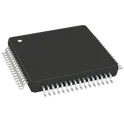
ARM® Cortex®-M33 RA6E1 Microcontroller IC 32-Bit 200MHz 1MB (1M x 8) FLASH 64-LFQFP (10x10) ## Engineering Specification ## General Description The **R7FA6E10F2CFM#AA0** is a Renesas Electronics **RA6E1 series microcontroller** designed for embedded control, industrial electronics, IoT edge devices, automation systems, and general-purpose connected applications. It is built around an **Arm Cortex-M33 processor with TrustZone support**, providing high performance, secure execution capability, and flexible integration for modern embedded designs. ## Device Identification Manufacturer Part Number: **R7FA6E10F2CFM#AA0** Manufacturer: **Renesas Electronics** Product Family: **RA Family** Series: **RA6 Series** Group: **RA6E1 Group** Device Category: **Integrated Circuit** Device Type: **Microcontroller Unit** ## Core and Processing The device uses an **Arm Cortex-M33 core** and is intended for high-performance embedded processing. It supports secure application development through TrustZone technology and is suitable for systems requiring reliable control, fast response, and efficient software execution. ## Memory Configuration The microcontroller includes program flash memory, data flash memory, and SRAM resources suitable for embedded firmware, application code, configuration storage, and runtime processing requirements. ## Package and Mechanical Description The component is supplied in an **LQFP surface-mount package**, making it suitable for compact printed circuit board layouts and standard automated assembly processes. ## Electrical and Operating Description The device is designed for low-voltage embedded systems and supports operation across an industrial temperature range. It is suitable for products requiring stable performance in controlled, commercial, or industrial operating environments. ## Communication and Interface Support The device supports common embedded communication interfaces such as USB, UART, SPI, I²C, QSPI, and CAN, allowing integration with sensors, displays, external memory, communication modules, and other peripheral devices. ## Analog and Control Features The microcontroller includes analog conversion capability, timer functions, PWM support, watchdog protection, reset monitoring, and low-voltage detection features. These functions make it suitable for control systems, monitoring equipment, and mixed-signal embedded applications. ## Security and Debug Features The device supports embedded security functions including TrustZone, unique device identification, and true random number generation. Debug and development access is supported through standard JTAG and SWD interfaces. ## Application Suitability This device is suitable for embedded controllers, IoT devices, industrial automation, metering equipment, appliance control, USB-connected products, sensor-based systems, and general electronic control applications requiring a compact and secure microcontroller solution. ## Hashtags #commonpartslibrary #integratedcircuit #microcontroller #renesas #renesaselectronics #ra6e1 #ra6series #armcortexm33 #embeddedsystems #electronicscomponents #semiconductor #mcu #iotdevices #industrialautomation #pcbdesign #electronicparts #componentlibrary #engineeringparts #hardwaredesign #electronicsengineering
0 Uses0 Stars1085
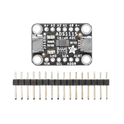
ADS1115 series 16 Bit 860 Samples per Second Analog to Digital Converter (ADC) Evaluation Board Adafruit 1085 ADS1115 Adafruit 4-Channel ADC Breakout based on Texas Instruments ADS1115 (16-bit) or ADS1015 (12-bit) analog-to-digital converter, featuring I2C communication, four single-ended inputs or two differential inputs, programmable gain amplifier (PGA) up to x16, internal voltage reference, programmable comparator, and selectable I2C addresses (0x48–0x4B). Operates from 2.0V to 5.5V and supports interfacing analog sensors with 3.3V and 5V microcontrollers such as Arduino, ESP32, STM32, RP2040, and Raspberry Pi. Search Keywords: Adafruit 4-Channel ADC Breakout, ADS1115 Breakout, ADS1015 Breakout, Adafruit ADS1115, Adafruit ADS1015, I2C ADC Module, 16-bit ADC, 12-bit ADC, 4-channel ADC, differential ADC, programmable gain amplifier, PGA ADC, analog sensor interface, TI ADS1115, TI ADS1015, Raspberry Pi ADC, Arduino ADC module, ESP32 ADC expansion Hashtags: #Adafruit #ADS1115 #ADS1015 #ADCModule #I2CADC #16BitADC #12BitADC #AnalogToDigitalConverter #SensorInterface #DifferentialADC #PGA #Arduino #ESP32 #STM32 #RP2040 #RaspberryPi #DataAcquisition #EmbeddedSystems #AdafruitBreakout
30 Uses0 StarsADPD7000BCBZR7
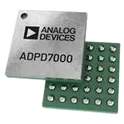
4 Channel AFE 12 Bit 36-WLCSP (2.8x2.56) The ADPD7000 is a highly integrated analog front end (AFE) designed for measuring various vital signals. The optical channel is designed as an optical transceiver, stimulating up to eight light emitting diodes (LEDs) and measuring the return signal on up to four separate current inputs. The signal chain rejects signal offsets and corruption from asynchronous modulated interference, typically from ambient light, eliminating the need for optical filters or externally controlled DC cancellation circuitry. The electrocardiography (ECG) signal acquisition is designed to support low noise, diagnostic level measurement in the presence of a variety of interferers. The ECG signal chain has a number of complementary features supporting ECG measurement, such as driven reference for common-mode rejection and lead off detection to identify a fallen electrode. The body impedance analysis (BIA) signal chain is designed for body impedance measurement with a configurable excitation path and measurement path. A 12-bit digital-to-analog converter (DAC) is used in the excitation path to generate the sinusoid wave and high precision measurement, with configurable filters used to measure the body response of the stimulus. The electrodermal activity (EDA) signal chain is designed for electrodermal activity. By multiplexing BIA and ECG peripheral circuits, the ADPD7000 supports high precision AC and DC measurement with 1 nS resolution. The data output and functional configuration use a serial port interface (SPI) on the ADPD7000. The control circuitry includes flexible LED signaling and synchronous detection, digital filters, digital wave generators, and configurable filters. The ADPD7000 is available in a 2.795 mm × 2.560 mm, 0.40 mm pitch, 36-ball WLCSP. ► Multimodal analog front end ► Optical channel ► 4 input channels with multiple operation modes for various sensor measurements ► 4-channel processing with simultaneous sampling ► 12 programmable time slots for synchronized sensor measurements ► Flexible input multiplexing to support single-ended sensor measurements ► 8 LED drivers, 2 of which can be driven simultaneously ► Flexible sampling rate from 0.004 Hz to 9 kHz using internal oscillators ► AC ambient light rejection: 78 dB up to 100 Hz ► 400 mA total LED peak drive current ► Individual ambient cancellation DAC at TIA input with 9-bit control up to 300 μA ► Individual LED DC cancellation DAC at TIA input with 7-bit control up to 190 μA ► ECG channel ► <1 µV RMS RTI noise at diagnosis bandwidth ► High input impedance 20 GΩ ► Accepts up to ±1.2 V of DC differential input range ► CMRR: 115 dB ► Flexible 4 electrode configurations to support various applications ► Both AC lead off detection and DC lead off detection ► Support always on, low power, lead on detection ► BIA channel ► Low power, high accuracy excitation path ► Configurable excitation frequency up to 250 kHz ► Sine wave excitation with a 12-bit DAC ► High accuracy with large imbalance contact impedance ≤20 kΩ ► Configurable receive filters with low noise design ► Complex impedance measurement engine ► Integrated current-limit resistors ► EDA channel ► Support both voltage excitation and current excitation ► 10 kΩ to100 MΩ measurement range with 1 nS resolution ► DFT and decimation for high accuracy measurement result ► SPI communications supported ► 704-byte FIFO
9 Uses0 StarsMAX2871ETJ+
Maxim Integrated PLL Frequency Synthesizer Single 23.5MHz to 6000MHz 32-Pin TQFN EP QFN-32 Maxim None MAX2871ETJ+ Unavailable Maxim Integrated MAX2871 ultra-wideband fractional-N / integer-N PLL frequency synthesizer with integrated VCOs, capable of generating RF frequencies from 23.5MHz to 6.0GHz. Features programmable output dividers (1/2/4/8/16/32/64/128), dual differential RF outputs with programmable output power from -1dBm to +8dBm, low phase noise performance, phase frequency detector up to 140MHz, reference frequency up to 210MHz, fast lock and cycle-slip reduction, automatic/manual VCO selection, on-chip temperature sensor with 7-bit ADC, 4-wire SPI-compatible serial interface, and operation from -40°C to +85°C. Suitable for wireless infrastructure, clock generation, microwave radios, RF signal generation, and test & measurement equipment. MAX2871 Search Keywords: MAX2871, Maxim MAX2871, Analog Devices MAX2871, PLL synthesizer, RF synthesizer, fractional N synthesizer, integer N synthesizer, 6GHz frequency synthesizer, RF signal generator IC, integrated VCO synthesizer, microwave synthesizer, SPI frequency synthesizer, dual output PLL, clock generation IC, wireless infrastructure synthesizer Hashtags: #MAX2871 #MaximIntegrated #AnalogDevices #PLLSynthesizer #FrequencySynthesizer #RFSynthesizer #FractionalNPLL #IntegerNPLL #IntegratedVCO #RFSignalGenerator #MicrowaveRadio #ClockGeneration #WirelessInfrastructure #SPIInterface #TestAndMeasurement #RFDesign #RFIC #PhaseLockedLoop
2 Uses0 StarsMPU-6050
InvenSense MPU-60X0 / MPU-6000 / MPU-6050 6-axis MotionTracking IMU, integrating 3-axis gyroscope, 3-axis accelerometer and Digital Motion Processor (DMP) in a compact 4 x 4 x 0.9mm QFN package. Features programmable gyroscope ranges ±250/±500/±1000/±2000 dps, programmable accelerometer ranges ±2g/±4g/±8g/±16g, 16-bit ADCs, 1024-byte FIFO, embedded temperature sensor, I2C interface up to 400kHz and SPI interface up to 1MHz/20MHz on MPU-6000, 2.375V to 3.46V supply range, designed for motion sensing, gesture control, image stabilization, navigation, wearables, smartphones, tablets and embedded motion-control applications. Search Keywords: MPU-60X0, MPU-6000, MPU-6050, InvenSense MPU-6050, InvenSense MPU-6000, 6-axis IMU, 3-axis gyroscope accelerometer, MotionTracking sensor, Digital Motion Processor, DMP IMU, I2C IMU sensor, SPI IMU sensor, MPU6050 accelerometer gyroscope, MPU6000 gyro, QFN 4x4mm IMU, motion sensor module Hashtags: #MPU60X0 #MPU6000 #MPU6050 #InvenSenseMPU6050 #IMUSensor #6AxisIMU #Accelerometer #Gyroscope #MotionTracking #DigitalMotionProcessor #DMP #I2CSensor #SPISensor #MotionSensor #QFN24
16 Uses0 StarsRP2040
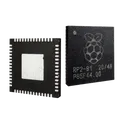
Raspberry Pi RP2040 dual-core Arm Cortex-M0+ microcontroller, running up to 133MHz, with 264KB on-chip SRAM, external QSPI flash support, USB 1.1 device/host controller, 30 GPIO pins, UART, SPI, I2C, PWM, ADC, timers and programmable I/O (PIO) blocks, 1.8V to 3.3V I/O support, low-cost MCU for embedded systems, development boards, IoT devices, USB peripherals, sensors and educational electronics. Search Keywords: RP2040, Raspberry Pi RP2040, RP2040 microcontroller, dual core Cortex-M0+ MCU, Raspberry Pi Pico MCU, RP2040 PIO, RP2040 USB microcontroller, RP2040 QSPI flash, RP2040 datasheet, RP2040 embedded MCU Hashtags: #RP2040 #RaspberryPiRP2040 #RaspberryPiPico #Microcontroller #CortexM0Plus RP2040 chip for Raspberry Pi Pico - ARM® Cortex®-M0+ MCU 32-Bit
2 Uses0 StarsSTM32WLE5JCI6
Multiprotocol LPWAN 32-bit Arm Cortex-M4 MCUs, LoRa, (G)FSK, (G)MSK, BPSK, up to 256KB flash, 64KB SRAM IC RF TxRx + MCU 802.15.4 LoRa™ 150MHz ~ 960MHz 73-UFBGA The STM32WLE5JCI6 is an ultra-low-power wireless System-on-Chip (SoC) from STMicroelectronics that combines a 32-bit Arm Cortex-M4 microcontroller with an integrated sub-GHz radio transceiver. It is designed for long-range, low-power IoT and LPWAN applications such as smart metering, smart cities, industrial sensors, and remote monitoring systems. It supports multiple modulation schemes including LoRa®, (G)FSK, (G)MSK, and BPSK, making it flexible for both proprietary and standardized wireless protocols like LoRaWAN®. The device integrates RF, analog, digital, and security features into a single chip to reduce external components and PCB size. Key Features Core & Performance 32-bit Arm® Cortex®-M4 core up to 48 MHz DSP instructions and MPU support Up to 256 KB Flash and 64 KB SRAM Wireless Radio Sub-GHz frequency range: 150 MHz – 960 MHz Supports LoRa®, (G)FSK, (G)MSK, BPSK High receiver sensitivity up to –148 dBm (LoRa mode) Output power up to +22 dBm Ultra-Low Power Operation Supply voltage: 1.8 V – 3.6 V Very low sleep currents (nA–µA range) Optimized for battery-powered and energy-harvesting devices Peripherals Up to 43 GPIOs ADC (12-bit), DAC, comparators Multiple timers (16-bit and 32-bit) Interfaces: SPI, I2C, UART/USART, LPUART, I2S Security Features Hardware AES-256 encryption True Random Number Generator (TRNG) Secure memory protection and unique device ID System Integration Integrated RF + MCU (highly reduced BOM) OTA firmware update capability Industrial temperature range (typically –40°C to +85°C / +105°C depending variant) Summary The STM32WLE5JCI6 is a highly integrated LoRa-capable MCU + RF transceiver SoC, optimized for long-range wireless communication with extremely low power consumption, making it ideal for IoT devices that must run for years on battery power. #CommonPartsLibrary #IntegratedCircuit #STM32WLE5JCI6 #STM32WL #LoRa #IoT #LowPowerMCU #ArmCortexM4 #SubGHzRF #WirelessMCU #LPWAN #STMicroelectronics
1 Uses0 Stars